The journey to US citizenship culminates in a crucial milestone: the naturalization interview and civics test. For many applicants, this represents the final hurdle after years of preparation and anticipation. While the process may seem daunting, with the right approach, you can face your interview with confidence and clarity.
Understanding the Citizenship Test Format
The US citizenship test consists of two components: the English test and the civics test. The English portion assesses your ability to read, write, and speak basic English. The civics portion evaluates your knowledge of US history and government through a series of questions.
During your interview, a USCIS officer will ask you up to 10 questions from the standard list of 100 civics questions. To pass, you must correctly answer 6 out of 10 questions. The questions are asked verbally, and you must respond verbally – there is no written multiple-choice component.
The 100 Questions: Breaking Down the Categories
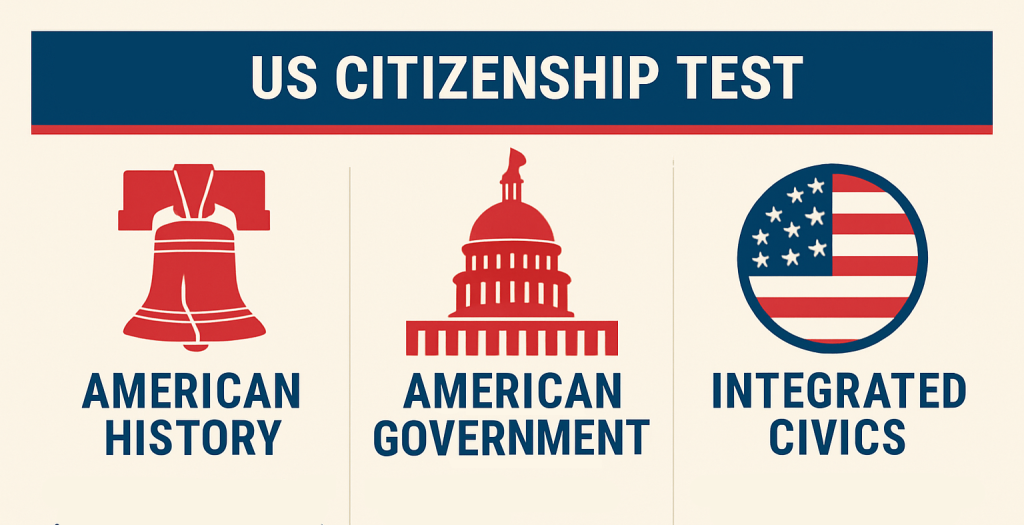
The 100 civics questions are divided into three main categories:
American History (30 questions)
These questions cover colonial history, the American Revolution, and major events and developments through US history, including:
- The founding fathers and early leaders
- The Revolutionary War and independence
- The Civil War and its significance
- Major wars and conflicts
- Historical movements and their impacts
American Government (57 questions)
This largest category focuses on how the US government functions:
- The Constitution and its principles
- The three branches of government
- Rights and responsibilities of citizens
- The federal system and separation of powers
- The amendment process
- Political parties and elections
Integrated Civics (13 questions)
These questions address American geography, symbols, and holidays:
- Major landmarks and geographical features
- National symbols and their meanings
- Federal holidays and their significance
- Cultural aspects of American life
Effective Study Strategies for Test Success

1. Start with the Official Materials
The USCIS provides free study materials, including the official list of 100 questions with answers. Always begin with these resources to ensure you’re studying the correct information. The official materials include:
- The complete question list with answers
- Flash cards
- Study booklets
- Audio recordings of the questions
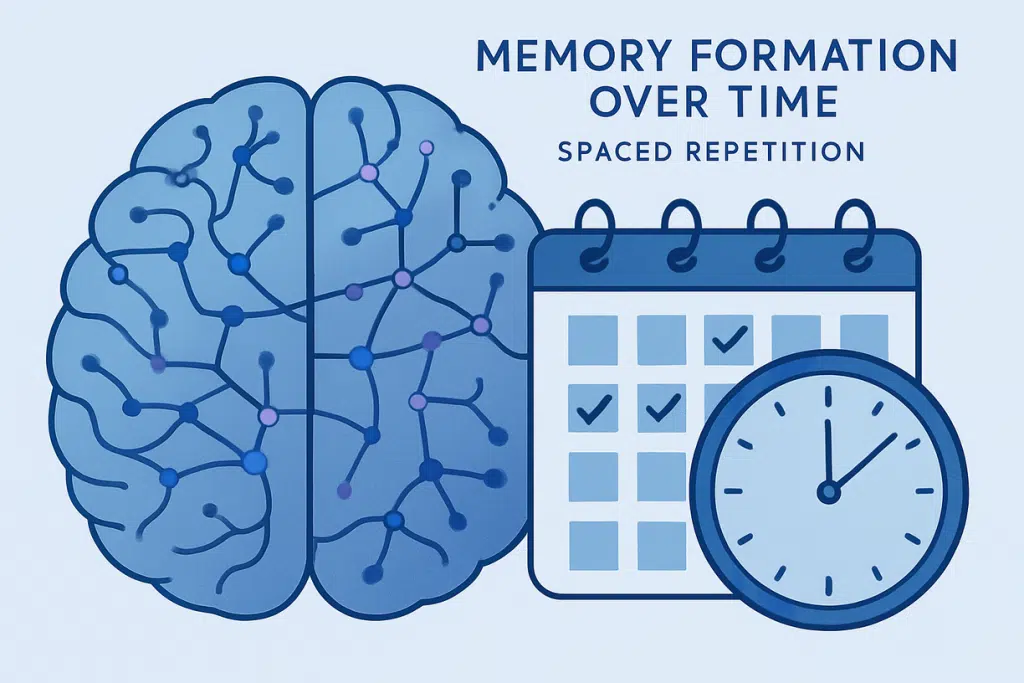
2. Implement Spaced Repetition
Rather than cramming all 100 questions at once, use spaced repetition to improve retention:
- Study a small group of questions (10-15) each day
- Review previously learned questions at increasing intervals
- Focus extra attention on questions you find difficult
- Continue cycling through all questions until you can answer them confidently
To streamline this process, AI-powered tools like Jotverse can automatically track your progress and adapt your study routine accordingly. Instead of manually managing what to review and when, the system identifies your weak points and resurfaces questions at optimal intervals—making spaced repetition effortless and personalized. Over time, this not only reinforces your memory but also builds a smarter, evolving study system tailored to how you learn best.
3. Use Multiple Learning Modalities
People learn differently, so incorporate various study methods:
- Create flashcards (physical or digital)
- Record yourself asking and answering questions
- Join study groups to practice with others
- Use citizenship test preparation apps
- Watch video explanations of complex topics
- Use AI Tutors like Jotverse to help you study in your own time
4. Practice Under Test-Like Conditions
As your test date approaches, simulate the interview experience:
- Have someone ask you questions verbally without showing you the written questions
- Practice answering without hesitation or long pauses
- Speak clearly and confidently in English
- Time your practice sessions to build speed and fluency
Tools like Jotverse can help you simulate real interview conditions by selecting random questions and offering focused practice on weaker areas—all in one place.
5. Focus on Understanding, Not Just Memorization
While memorization is important, understanding the concepts behind the answers will help you:
- Retain information longer
- Answer questions even if they’re phrased differently
- Feel more confident during the interview
- Apply your knowledge as a future citizen
Common Challenging Questions and How to Master Them
Certain questions consistently challenge test-takers. Here are strategies for some of the most difficult ones:
Question: What are the 27 amendments to the Constitution?
Strategy: Rather than memorizing all 27 amendments, focus on:
- The Bill of Rights (first 10 amendments)
- Amendments that extended voting rights (15th, 19th, 26th)
- Other significant amendments (13th, 14th)
- For the rest, know the general themes rather than specific numbers
Question: Name your U.S. Representative.
Strategy:
- Look up your congressional district before the test
- Memorize your current representative’s name
- If you’re unsure or there’s been a recent election, it’s acceptable to say: “I don’t know the current representative because there was a recent election.”
Question: Name one of the writers of the Federalist Papers.
Strategy: Memorize all three names (James Madison, Alexander Hamilton, John Jay) rather than just one, as this question is frequently asked.
Special Considerations and Accommodations
The USCIS provides accommodations for certain applicants:
Age-Based Modifications
Applicants 65 or older who have been permanent residents for at least 20 years can take a simplified test with fewer questions. They need to study only 20 designated questions (marked with an asterisk on the official list)
They still need to answer 6 out of 10 questions correctly
Medical Exceptions
Applicants with certain medical conditions may qualify for exceptions to parts or all of the test
This requires filing Form N-648 (Medical Certification for Disability Exceptions). The form must be completed by a licensed medical professional
Final Preparation Tips
As your test date approaches:
- Review daily: Spend at least 15-30 minutes each day reviewing questions
- Stay updated: Check for any recent changes to government officials or policies
- Practice speaking: Ensure your pronunciation is clear and understandable
- Manage anxiety: Use relaxation techniques before your interview
- Arrive prepared: Bring all required documentation to your appointment
Interactive study tools like those available through Jotverse can help you practice the citizenship questions in a structured environment, with features that track your progress and focus on areas needing improvement.
Beyond the Test: Preparing for Citizenship
Remember that the citizenship test is just one part of becoming an American citizen. As you prepare, take time to reflect on what citizenship means to you and how you’ll participate in American civic life after naturalization.
The knowledge you gain while studying for this test provides a foundation for engaged citizenship – understanding how your government works, knowing your rights and responsibilities, and appreciating the history that shaped the nation you’re joining.
With thorough preparation and the right study approach, you’ll be well-equipped to successfully complete this important step on your path to becoming a United States citizen.