In today’s rapidly evolving educational landscape, online learning has become a cornerstone for students worldwide. Whether you’re pursuing a degree, upskilling for a new career, or simply exploring a new passion, the digital classroom offers unparalleled flexibility and access. However, success in this environment demands a unique set of strategies and disciplines. It’s not just about having a computer and an internet connection; it’s about cultivating habits that foster engagement, retention, and ultimately, mastery.
Online learning, at its best, empowers you to take control of your educational journey. It breaks down geographical barriers, allowing you to access world-class instruction from anywhere. It often provides a more flexible schedule, which can be a boon for those balancing studies with work, family, or other commitments. Yet, with this freedom comes the responsibility of self-management. Without the traditional structure of a physical classroom, it’s easy to fall behind, lose motivation, or feel isolated. This guide is designed to equip you with the essential tips and strategies to not just survive, but thrive in your digital classroom.
Creating Your Ideal Learning Environment
The physical space where you engage with your online courses plays a crucial role in your focus and productivity. It’s more than just a desk; it’s a sanctuary for learning, free from distractions and optimized for your cognitive flow. Think of it as your personal command center for academic success.
Designating a Dedicated Study Space
One of the most fundamental steps to mastering online learning is establishing a dedicated study area. This doesn’t necessarily mean a separate room; it could be a specific corner of your bedroom, a quiet spot in your living room, or even a consistent table at a local library or coffee shop. The key is consistency. When you enter this space, your brain should automatically switch into
learning mode. This mental association helps minimize procrastination and maximize focus.
Ensure your designated space is free from clutter. A clean and organized environment promotes a clear and organized mind. Remove anything that might tempt you to stray from your studies – unnecessary gadgets, entertainment magazines, or even excessive decorative items. The simpler, the better.
Minimizing Distractions
Once you have your dedicated space, the next step is to aggressively minimize distractions. This is perhaps the biggest challenge in online learning, as the internet itself is a vast ocean of potential diversions. Start by turning off notifications on your phone, computer, and any other devices. Consider using website blockers for social media and other non-academic sites during your study sessions. Many students find success with the “Pomodoro Technique,” which involves focused work intervals followed by short breaks, helping to manage attention spans.
Inform family members or housemates about your study schedule and request their cooperation in minimizing interruptions. A simple “Do Not Disturb” sign on your door can work wonders. If you live in a noisy environment, invest in noise-canceling headphones or use ambient sound apps that play white noise or calming nature sounds.
Optimizing Your Setup
Your physical setup can significantly impact your comfort and endurance during long study sessions. Ensure your chair is ergonomic and provides good back support. Position your monitor at eye level to prevent neck strain. Good lighting is essential to reduce eye fatigue; natural light is ideal, but if unavailable, use a desk lamp that provides adequate, glare-free illumination.
Reliable internet access is non-negotiable for online learning. If your connection is unstable, explore options for upgrading your service or finding alternative locations with better connectivity. A backup plan, such as a local library with Wi-Fi, can save you from last-minute panic before an important deadline or live session.
Cultivating Effective Study Habits
Online learning places a greater emphasis on self-discipline and proactive engagement. Developing robust study habits is paramount to staying on track and absorbing complex material effectively.
Time Management and Scheduling
Effective time management is the bedrock of online learning success. Begin by reviewing your course syllabi and marking all deadlines, exams, and major assignments on a calendar. Break down large assignments into smaller, manageable tasks. This makes them less daunting and allows you to track your progress more effectively.
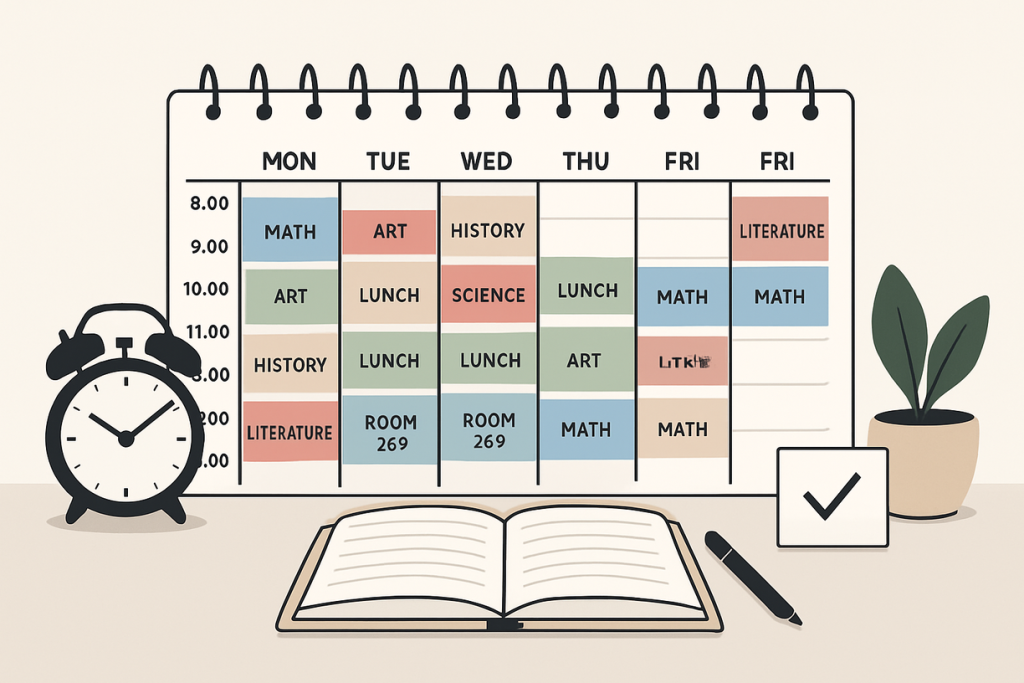
Create a weekly study schedule and stick to it as much as possible. Treat your online classes and study time as non-negotiable appointments. Allocate specific blocks of time for reading, watching lectures, completing assignments, and reviewing material. Be realistic about how much time you can commit and build in buffer time for unexpected delays or more challenging topics.
Consider using digital tools like calendar apps, task managers, or even simple spreadsheets to keep track of your commitments. The key is to find a system that works for you and consistently use it.
Active Engagement with Course Material
Passive consumption of information is a common pitfall in online learning. Simply watching lectures or skimming readings is rarely enough for deep understanding and retention. You need to actively engage with the material.
Take detailed notes during lectures and readings. Don’t just transcribe; summarize, paraphrase, and connect new information to what you already know. Ask yourself questions as you go along. Participate actively in online discussions, forums, and virtual group projects. These interactions not only deepen your understanding but also help you feel more connected to your peers and instructors.
Utilize the interactive features of your online learning platform. If there are quizzes, practice problems, or simulations, engage with them fully. These are designed to reinforce learning and provide immediate feedback on your comprehension.
Regular Review and Self-Assessment
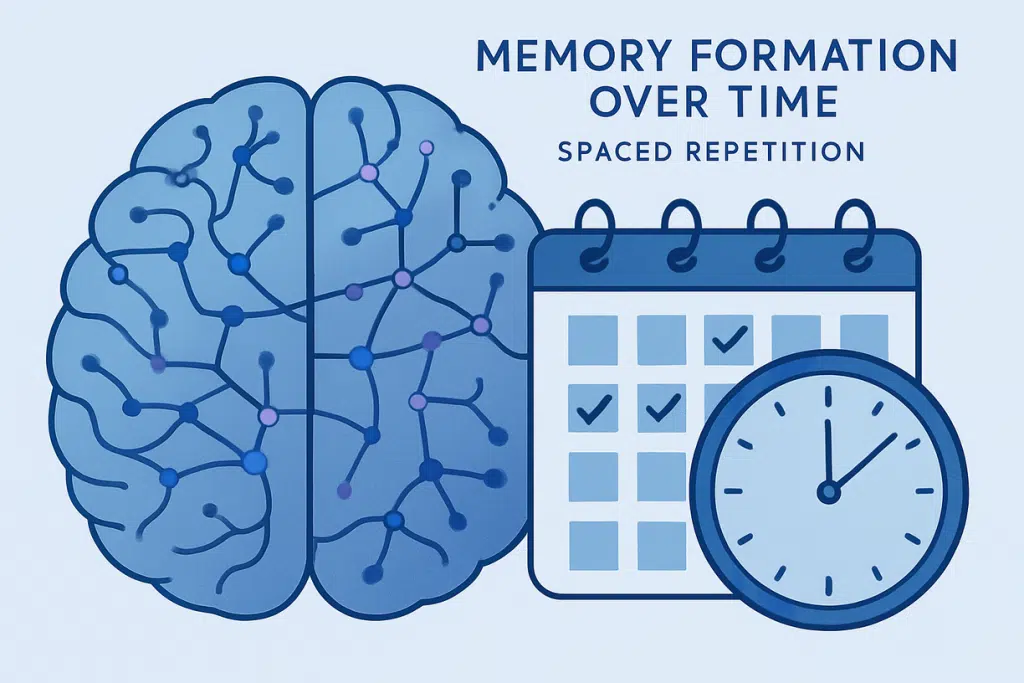
Consistent review is crucial for moving information from short-term to long-term memory. Don’t wait until the night before an exam to review weeks of material. Schedule regular, shorter review sessions throughout the week. This practice, known as spaced repetition, is highly effective for retention.
Actively test yourself. Don’t just re-read notes; try to recall information from memory, explain concepts in your own words, or teach them to someone else. Create your own practice questions or flashcards. This self-assessment helps identify areas where your understanding is weak and allows you to focus your efforts more efficiently.
Leveraging Technology and Support Systems
While online learning requires self-reliance, it doesn’t mean you’re alone. Modern educational technology offers a wealth of tools and resources, and building a support network is just as important as in traditional schooling.
Utilizing Online Learning Tools and Resources
Beyond your primary learning platform, explore other digital tools that can enhance your study process. This might include:
- Note-taking apps: Tools like Evernote, OneNote, or Notion can help you organize and sync your notes across devices.
- Reference managers: Zotero or Mendeley can help you manage citations and bibliographies for research papers.
- Collaboration tools: Google Docs, Microsoft Teams, or Slack can facilitate group projects and communication.
- Productivity apps: Focus timers, habit trackers, or mind mapping software can help you stay organized and on task.
Connecting with Instructors and Peers
Don’t hesitate to reach out to your instructors. They are your primary resource for clarifying doubts, seeking additional explanations, and getting feedback on your progress. Utilize their virtual office hours, email, or discussion forums. Proactive communication demonstrates your engagement and commitment.
Build connections with your classmates. Online study groups can provide a sense of community, offer different perspectives on challenging material, and hold you accountable. Use the communication features within your learning platform or external tools to facilitate these connections.
The Role of AI in Enhancing Online Learning
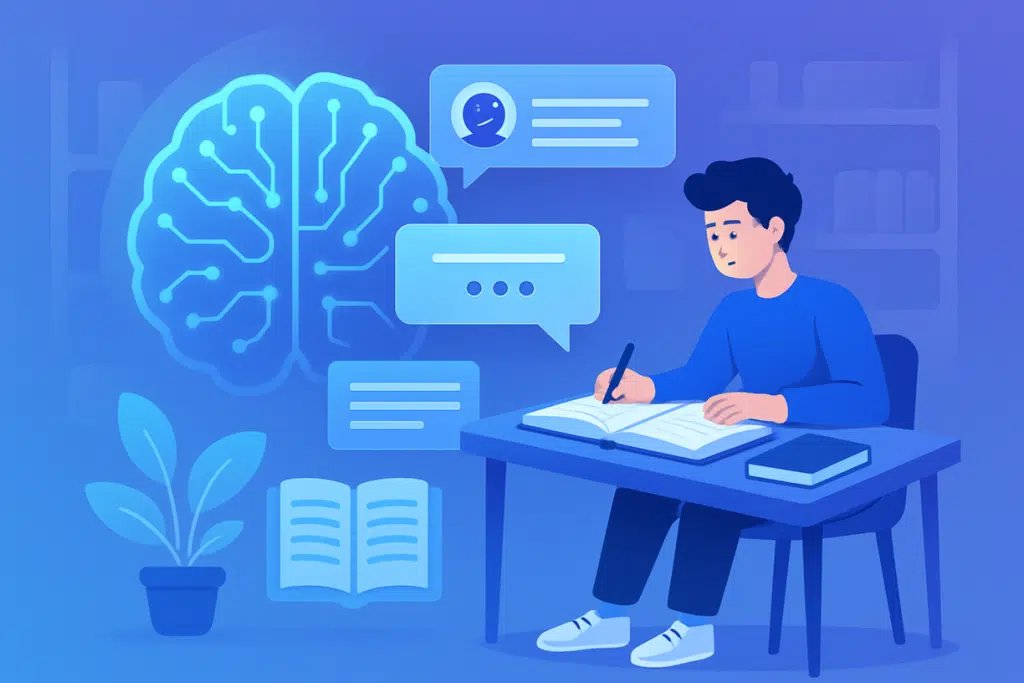
As online learning continues to evolve, AI-powered tools are becoming indispensable companions. Imagine having a tutor available 24/7, ready to explain complex concepts, provide instant feedback, and adapt to your unique learning style. This is where Jotverse steps in.
Jotverse acts as your personal AI tutor, transforming your study materials into interactive learning experiences. It can help you by:
- Clarifying Complex Topics: Upload your course materials, and Jotverse can explain difficult concepts in simpler terms, answer your specific questions, and provide examples tailored to your content.
- Enhancing Retention: Through conversational learning and interactive tools, Jotverse reinforces your understanding, helping you move information into long-term memory. It can even suggest mini-quizzes to test your knowledge.
- Personalized Guidance: Jotverse adapts to your learning journey, identifying your strengths and challenges, and suggesting next steps to optimize your study path. It’s like having a human tutor who knows exactly what you need.
- Organizing Your Knowledge: The interactive canvas allows Jotverse to summarize conversations visually, create mindmaps, and organize notes, giving you a clear overview of your learning.
You gain a powerful ally when you integrate a tool like Jotverse into your online learning strategy, which provides personalized support, enhances comprehension, and helps you stay motivated and on track.
Mastering online learning is an achievable goal that requires a combination of strategic planning, self-discipline, and effective utilization of available resources. Embrace the flexibility and opportunities that online learning offers, and empower yourself to achieve academic excellence and lifelong growth. Your journey to becoming a successful online learner starts with these actionable steps. Start learning smarter today with Jotverse.